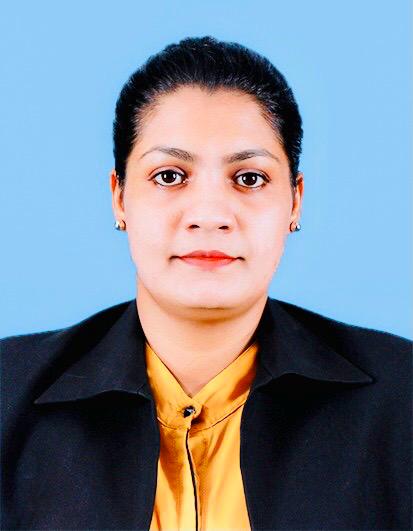
Ruchira Kavindyani De Silva Piyadigamage
Ruchira Kavindyani De Silva Piyadigamage is a leadership researcher and practitioner with a postgraduate diploma in hospitality management from Vancouver Premier College and a Bachelor of Arts from the University of Kelaniya in Sri Lanka. She further pursued a Master of Arts in leadership at Trinity Western University in Canada and holds diplomas in counseling psychology, early childhood education, computer IT, and airline cabin crew training. Ruchira Kavindyani De Silva Piyadigamage’s professional journey includes serving as a development assistant at Sri Lanka’s Ministry of Youth and Sports where she contributed to government training programs, leadership development initiatives, and disaster management projects. Her experience in training, counseling, and administration has strengthened her skills in team development, communication, and strategic leadership with her research focusing on collaborative leadership, employee engagement, organizational development, and how leadership impacts teamwork in healthcare settings. Ruchira Kavindyani De Silva Piyadigamage is particularly interested in exploring how leaders foster resilience, communication, and job satisfaction within teams. Committed to leadership excellence, she aims to contribute to both academic research and practical applications to drive meaningful change in organizations and communities. https://orcid.org/0009-0002-5057-1226
Know More